


Working with refugees since 1984
About The Border Consortium (TBC)
TBC envisions a peaceful Burma/Myanmar where there is full respect for human rights, diversity is embraced, and communities can prosper.
Who We Are
Founded in 1984, the Border Consortium (TBC) is unique among humanitarian organisations in Southeast Asia. We are the only International Non-Government Organisation specifically established to assist in managing the refugee influx from Myanmar and to provide emergency support to displaced communities along the Thai Myanmar border.
TBC is based in Bangkok and operates under United Kingdom charitable governance standards. Our Board and senior leadership team represent a mix of local and international expertise. This structure ensures accountability to consortium members, donors, and the communities it serves, while enabling it to draw on both regional knowledge and international networks.
Over the years the organisation has changed and evolved. Today the consortium’s members consist of nine international non-governmental organisations (INGOs) from ten countries. They are:
Act for Peace, The National Council for Churches (NCCA), Australia
Christian Aid, UK and Ireland , Church World Service, USA
DanChurchAid, Denmark
Diakonia, Sweden
ICCO Cooperation, The Netherlands
Inter Pares, Canada
International Rescue Committee, USA
Norwegian Church Aid, Norway
TBC’s head office is in Bangkok, Thailand. The organisation has field offices in Mae Hong Son, Mae Sot, and Kanchanaburi towns in Thailand.
Governance
TBC board members meet at least twice annually in person at an Extraordinary General Meeting (EGM) and at the Annual General Meeting (AGM). At least another two meetings are conducted over the Internet each year. Board members are elected for a two-year term at the AGM. The board has a minimum of five members and a maximum of eight. The board must consist of at least four member-agency representatives. Up to four external candidates can be elected.
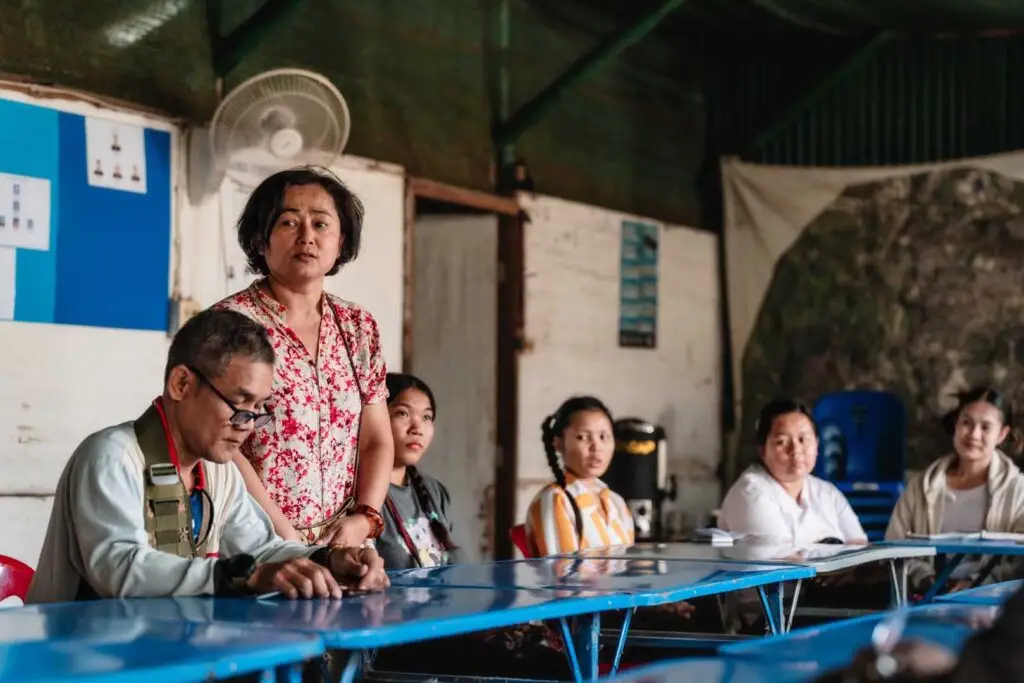
TBC currently has a staff of 56 people The total staff gender ratio is almost exactly 50:50. The majority of staff are local employees. Staff backgrounds reflect in many ways the populations with whom TBC works, with many our employees having full or part Karen/Kayin, Karenni/Kayah, Burman, Shan, Thai, and other backgrounds.
Donors
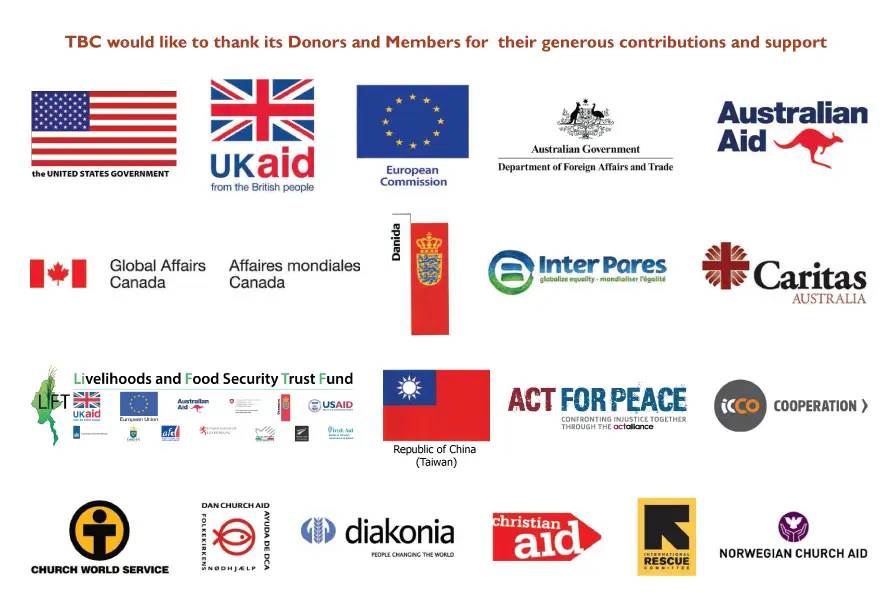
Approximately 95 percent of its funding came from government donors such as the UK, Australia and New Zealand. Although most of TBC’s funds are now institutional, it still continues to receive funds from individuals, private foundations and organisations and churches. These contributions are particularly encouraging and uplifting for our staff and members. To make a donation, please visit the Donation page.
TBC would like to sincerely thank its donors and members for their generous contributions and support.
Brief History of the Border
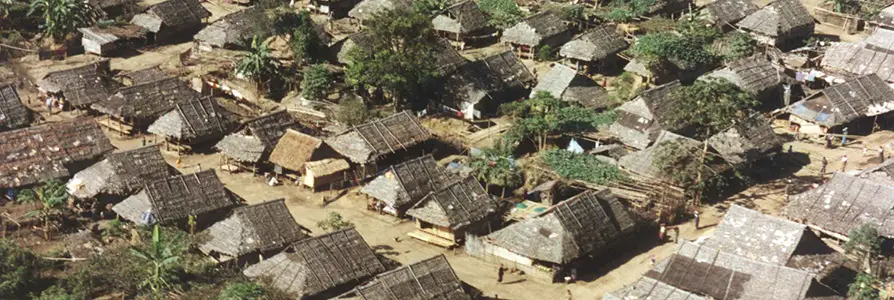
A Decade of Refugee Flows (1984 to 1994)
1995: The Fall of Manerplaw
A Brief History of TBC
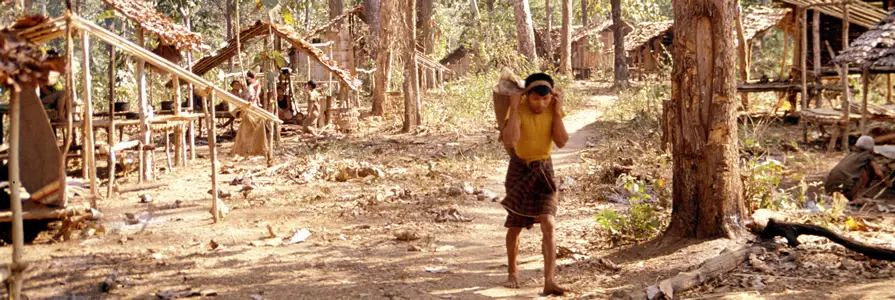
1984: Response to a Crisis, and a Mandate
1989/1990: Expansion and New Regulations
1997/8: A Role for the UN Refugee Agency
Refugee Policy Advocacy
2010: Political Change in Burma/Myanmar
Read More on TBC:
The story of how TBC became involved on the Thailand and Burma/Myanmar border can be found in the report “Between Worlds, published in 2004 and available in hard copy at the TBC head office.
The personal stories of hundreds of people involved in the camps over a period of twenty-five years can be found in the book “Nine Thousand Nights: Refugees from Burma, A People’s Scrapbook’’, published in 2010, which is also available in hard copy at the TBC head office.
TBC’s Vision
People displaced from southeastern Myanmar, refugees in Thailand, and the communities where they live, are rebuilding their lives – free to move safely, work, study and plan their futures with dignity.
TBC’s Values
· Refugee and Displaced Person Centred: We place the needs, perspectives, and aspirations of displaced people and host communities at the centre of all decisions, programs, and partnerships, ensuring our work is responsive, inclusive, and empowering.
· Integrity and Ethics: We uphold the highest standards of honesty, fairness, and transparency in all our actions, ensuring trust and accountability with the communities and partners we serve.
· Respect and Empathy: We treat every individual with dignity, seeking to understand their experiences and needs, and responding with compassion and care.
· Collaboration and Teamwork: We believe in the power of partnerships and collective effort, working across teams, organisations, and communities to achieve shared goals.
· Inclusion and Diversity: We value diverse perspectives and experiences, actively promoting equality and creating spaces where everyone is represented and empowered.
Commitment and Work Ethic: We demonstrate dedication, professionalism, and resilience in delivering meaningful and sustainable outcomes for displaced communities